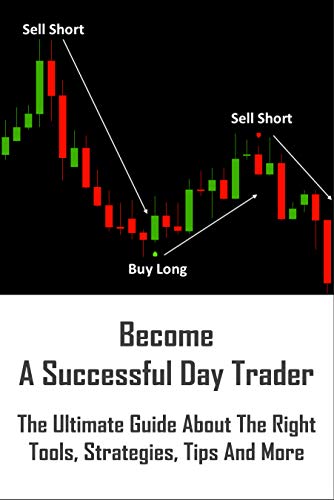
Trading is the act of buying and selling financial instruments, such as stocks, bonds, currencies, and commodities, with the aim of making a profit. Traders typically work for themselves or for investment firms, and they use a variety of strategies and tools to analyze the markets and make trading decisions.
The Different Types of Trading
There are several types of trading, including:
- Day trading: This involves buying and selling securities within the same trading day, with the aim of profiting from short-term price fluctuations.
- Swing trading: This involves holding positions for several days to several weeks, with the aim of profiting from medium-term price movements.
- Position trading: This involves holding positions for several months to several years, with the aim of profiting from long-term trends.
- Scalping: This involves making multiple trades within a very short time frame, with the aim of profiting from small price movements.
- Algorithmic trading: This involves using computer programs to execute trades based on predefined rules and algorithms.
The Benefits of Trading
Trading offers a number of benefits, including:
- Potential for high returns: Trading offers the potential for high returns, with some traders making millions of dollars in profits.
- Flexibility: Trading can be done from anywhere in the world, as long as you have an internet connection.
- Independence: Trading allows you to work for yourself, without the need for a boss or a set schedule.
- Challenge: Trading is a challenging activity that requires constant learning and adaptation.
The Risks of Trading
While trading offers the potential for high returns, it also comes with significant risks, including:
- Losses: Trading can result in significant losses, and traders must be prepared to accept these losses as part of the business.
- Volatility: Markets can be highly volatile, with prices fluctuating rapidly and unpredictably.
- Stress: Trading can be a highly stressful activity, with traders facing constant pressure to make the right decisions.
Tips for Becoming a Successful Trader
If you’re interested in becoming a successful trader, here are some tips to help you get started:
- Educate yourself: Before you start trading, it’s important to educate yourself about the markets, trading strategies, and risk management techniques.
- Start small: When you’re first starting out, it’s important to start with a small amount of capital and gradually increase your position size as you become more experienced.
- Develop a trading plan: A trading plan should include your trading goals, risk tolerance, and entry and exit strategies.
- Practice good risk management: To minimize your losses, it’s important to practice good risk management techniques, such as using stop-loss orders and diversifying your portfolio.
- Keep learning: The markets are constantly evolving, and it’s important to keep learning and adapting your trading strategies to stay ahead of the curve.
Conclusion
Becoming a successful trader requires dedication, discipline, and a willingness to learn. By following these tips and developing a solid trading plan, you can increase your chances of success in the markets. Remember to always practice good risk management and stay up-to-date with the latest market trends and news. With the right mindset and a solid strategy, anyone can become a successful trader.