If you’re an investor looking for a low-cost, diversified, and flexible investment option, you’ve probably heard about exchange-traded funds (ETFs). ETFs have become increasingly popular in recent years, and for good reason. In this article, we’ll cover everything you need to know about ETF investing.
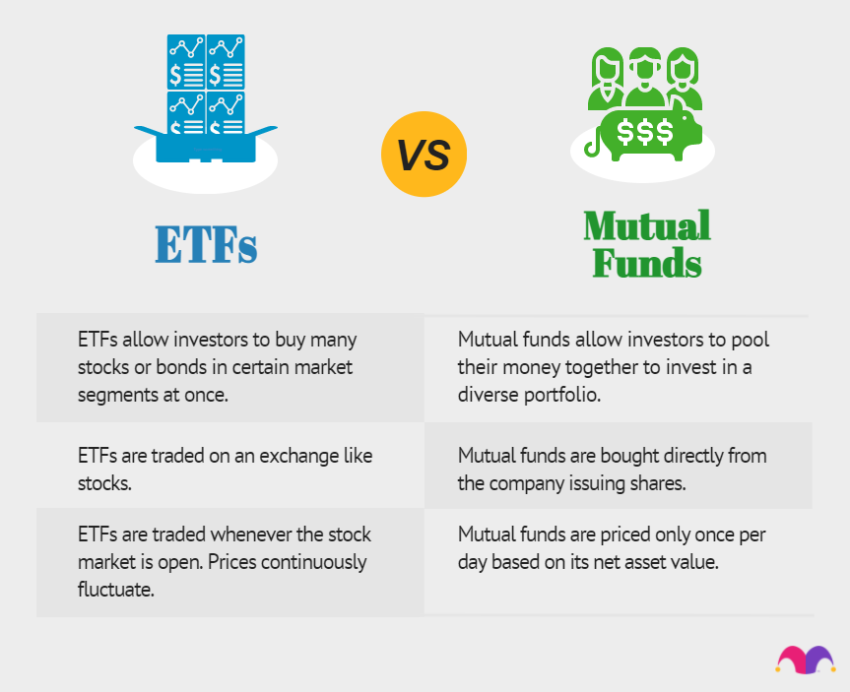
Exchange-traded funds (ETFs) are a type of investment vehicle that pools money from multiple investors to buy a diversified portfolio of assets, such as stocks, bonds, commodities, or real estate. ETFs trade on stock exchanges like individual stocks, and their prices fluctuate throughout the trading day. As a result, investors can buy or sell ETF shares at any time during the trading day.
The first ETF, the SPDR S&P 500 ETF (SPY), was launched in 1993, and since then, the ETF industry has grown exponentially. Today, there are thousands of ETFs that offer exposure to a variety of asset classes, sectors, and regions.
Benefits of ETF Investing
One of the primary benefits of ETF investing is that they offer diversification. Instead of investing in individual stocks, which can be risky and volatile, ETFs provide exposure to a basket of stocks or other assets. This diversification can help reduce the risk of your portfolio and increase the potential for long-term returns.
Another benefit of ETFs is their low cost. ETFs typically have lower fees than mutual funds, making them an attractive option for cost-conscious investors. Additionally, because ETFs are traded like stocks, you can buy and sell them at any time during market hours, providing you with flexibility and liquidity.
Types of ETFs
There are many types of ETFs, including:
- Equity ETFs: These ETFs invest in stocks of individual companies or indexes, such as the S&P 500, Nasdaq, or Dow Jones.
- Fixed-Income ETFs: These ETFs invest in bonds and other fixed-income securities, such as Treasury bonds, corporate bonds, or municipal bonds.
- Commodity ETFs: These ETFs invest in commodities, such as gold, silver, oil, or agriculture.
- Currency ETFs: These ETFs invest in currencies, such as the US dollar, euro, or yen.
- Alternative ETFs: These ETFs invest in alternative assets, such as real estate, private equity, or hedge funds.
Risks of ETF Investing
While ETFs offer many benefits, they also come with risks. One risk is market risk. Like any investment, ETFs are subject to market fluctuations and can experience significant losses during market downturns.
Another risk is liquidity risk. While ETFs are generally considered liquid, some ETFs may have lower trading volumes, which can make it more difficult to buy or sell shares at a favorable price.
Additionally, some ETFs may have tracking error, which means they may not perfectly match the performance of the underlying index or asset. This can result in underperformance compared to the index or asset.
Conclusion
ETFs offer investors an attractive investment option that provides diversification, low costs, and flexibility. With the variety of types of ETFs available, investors can build a customized portfolio that fits their individual investment goals and risk tolerance. However, investors should also be aware of the risks associated with ETF investing, such as market risk, liquidity risk, and tracking error.
Overall, ETFs can be an excellent addition to any investor’s portfolio, but it’s essential to do your due diligence and understand the risks before investing.