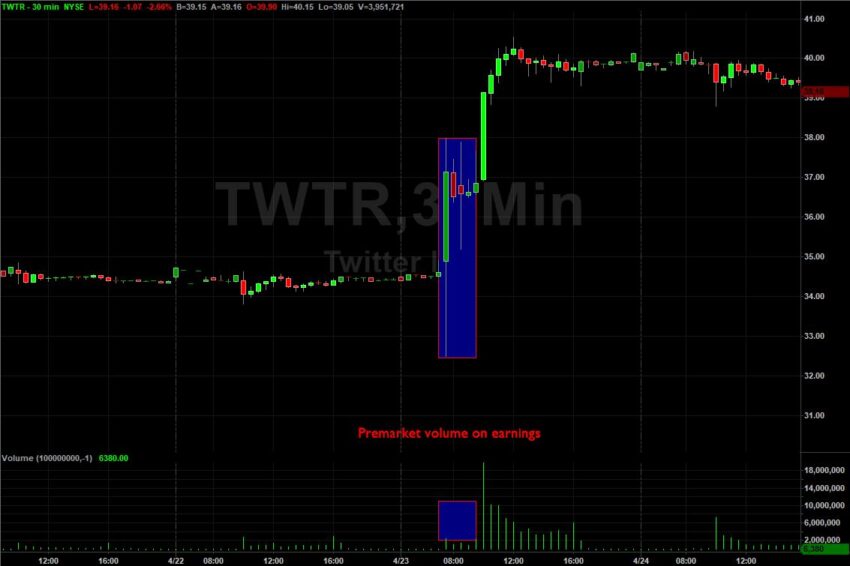
In the fast-paced world of the stock market, every second counts. That’s why pre-market trading has become increasingly popular among investors and traders alike. Pre-market trading refers to the buying and selling of stocks before the official market opens. This can give traders a significant advantage in reacting to news and events that occur outside of regular market hours. In this article, we’ll explore the benefits of pre-market trading and how it can help you gain an edge in the stock market.
What is Pre Market Trading?
Pre-market trading is the buying and selling of stocks before the official market opens. The pre-market session typically runs from 4:00 am to 9:30 am Eastern Time, and it allows traders to react to news and events that occur outside of regular market hours. During this time, the volume of trading is generally lower, and the bid-ask spread may be wider, which can make it harder to execute trades.
Benefits of Pre Market Trading
- React to News and Events: Pre-market trading can give you a head start in reacting to news and events that occur outside of regular market hours, such as earnings reports, economic data releases, and geopolitical events.
- Increased Liquidity: Pre-market trading can provide increased liquidity, as traders from different time zones and geographies can participate.
- Higher Volatility: The pre-market session can be more volatile, which can lead to greater profit potential for traders who are skilled at navigating this environment.
Strategies for Pre Market Trading
- Technical Analysis: Many traders use technical analysis to identify patterns and trends in pre-market trading, which can help them make more informed trading decisions.
- News Trading: Traders can also focus on news and events that are likely to impact the market, such as earnings reports and economic data releases.
- Momentum Trading: Some traders focus on stocks that are showing strong momentum in pre-market trading, as this can be a sign of a potential trend for the day.
Tools for Pre Market Trading
- Pre-Market Scanner: A pre-market scanner can help you identify stocks that are showing significant activity before the market opens.
- Level 2 Quotes: Level 2 quotes can provide you with more detailed information about bid-ask spreads and market depth, which can be useful in making trading decisions.
- News Sources: Access to real-time news sources can help you stay on top of events and news that could impact the market.
Risks and Considerations
- Higher Risk: Pre-market trading can be more volatile and risky than regular market hours, which means you need to be prepared to manage your risk effectively.
- Liquidity: The lower volume of trading during pre-market hours can make it harder to execute trades and can lead to wider bid-ask spreads.
- Overnight Risks: News and events that occur overnight can impact the market and your positions, which means you need to be prepared to adjust your positions as needed.
FAQs About Pre Market Trading
Q: Can I trade in pre-market hours on all stocks?
A: No, pre-market trading is only available for certain stocks that are designated as eligible for pre-market trading.
Q: How much can I expect to make from pre-market trading?
A: There is no guarantee of profit in pre-market trading, and the potential earnings can vary depending on market conditions and your own trading strategy.
Q: Can I use the same trading platform for pre-market trading?
A: It depends on your broker and the trading platform they offer. Some brokers offer pre-market trading as an option within their platform, while others may require a separate platform or access to a different trading system.
Conclusion
Pre-market trading can be a valuable tool for traders who are looking to gain an edge in the stock market. By providing access to trading opportunities before regular market hours, pre-market trading can give you a head start in reacting to news and events that can impact the market. However, it is important to be aware of the risks and considerations associated with pre-market trading and to have a solid trading strategy in place. By using the right tools and strategies, you can take advantage of pre-market trading and increase your chances of success in the stock market.